Bathroom Remodeling Ideas That Maximize Every Inch
When it comes to home renovations, bathrooms often present the biggest challenge. These essential spaces tend to be among the smallest rooms in our homes, yet they need to accommodate everything from morning routines to relaxing evening soaks. Whether you're working with a cramped powder room or a modest master bath, the key to a successful remodel lies in making every square inch count.
The good news? With thoughtful planning and creative design solutions, even the tiniest bathroom can feel spacious, functional, and luxurious. Let's explore proven strategies that will help you transform your bathroom into a space that works harder and looks better.
Smart Storage Solutions That Don't Sacrifice Style
Recessed Medicine Cabinets and Shelving
One of the most underutilized opportunities in bathroom design is the space between your wall studs. Recessed medicine cabinets offer storage without protruding into your room, maintaining precious floor space while keeping toiletries organized and out of sight. Consider installing recessed shelving in your shower area as well. These built-in niches provide convenient storage for shampoos and soaps without the clutter of hanging caddies or corner shelves.
Vertical Storage Strategies
When floor space is limited, think upward. Tall, narrow cabinets that extend toward the ceiling make use of often-wasted vertical space. Floating shelves above the toilet or along empty walls provide display and storage opportunities without overwhelming the room. Open shelving can actually make a small bathroom feel larger by creating visual interest and breaking up solid wall surfaces, as long as you keep items neatly organized.
Hidden Storage Opportunities
Look for unexpected places to add storage. The area beneath a wall-mounted sink can accommodate a rolling cart or small cabinet. The back of the bathroom door can hold hooks, towel bars, or over-the-door organizers. Consider a vanity with drawers that feature custom dividers to maximize internal organization. Every drawer and cabinet should work efficiently, with designated spots for each item you need to store.
Layout Optimization for Better Flow
The Power of the Right Vanity
Your vanity choice dramatically impacts both storage and spatial perception. A wall-mounted or floating vanity creates the illusion of more floor space by exposing the area beneath it, making the room feel less cramped. If you need maximum storage, choose a vanity that extends from wall to wall, eliminating awkward gaps that collect dust without providing useful space. Corner vanities work beautifully in small or oddly shaped bathrooms, taking advantage of space that might otherwise go unused.
Shower and Tub Configurations
If you rarely use your bathtub, removing it in favor of a spacious walk-in shower can completely transform your bathroom's functionality. Curbless or low-threshold showers create a seamless look that makes the entire room feel larger. Glass shower enclosures, particularly frameless ones, maintain sightlines throughout the space rather than visually dividing the room. For those who need both bathing options, a shower-tub combo with a sleek glass partition offers versatility without sacrificing style.
Thoughtful Fixture Placement
The location of your toilet, sink, and shower determines how well your bathroom functions. In tight quarters, consider a corner toilet or a compact elongated bowl designed for small spaces. Wall-mounted toilets with concealed tanks create a streamlined appearance while making floor cleaning easier. Ensure there's adequate clearance around each fixture—building codes typically require at least 15 inches from the center of the toilet to any wall or fixture, and 21 inches of clear space in front.
Visual Tricks That Create Spaciousness
The Magic of Mirrors
Large mirrors are perhaps the most effective tool for making a small bathroom feel more expansive. A mirror that spans the full width of your vanity, or even extends beyond it, reflects light and creates the illusion of depth. Consider mirrored cabinet doors, mirrored backsplashes, or even a full mirrored wall if your layout allows. The reflection multiplies the visual space and brightens the room by bouncing natural and artificial light throughout.
Strategic Lighting Design
Poor lighting makes any space feel smaller and less inviting. Layer your lighting with a combination of ambient, task, and accent fixtures. Recessed ceiling lights provide overall illumination without taking up visual space. Sconces flanking the mirror eliminate shadows on faces while adding style. Under-cabinet lighting makes countertops more functional and creates a floating effect for wall-mounted vanities. Natural light should be maximized wherever possible through larger windows, skylights, or solar tubes.
Color and Material Choices
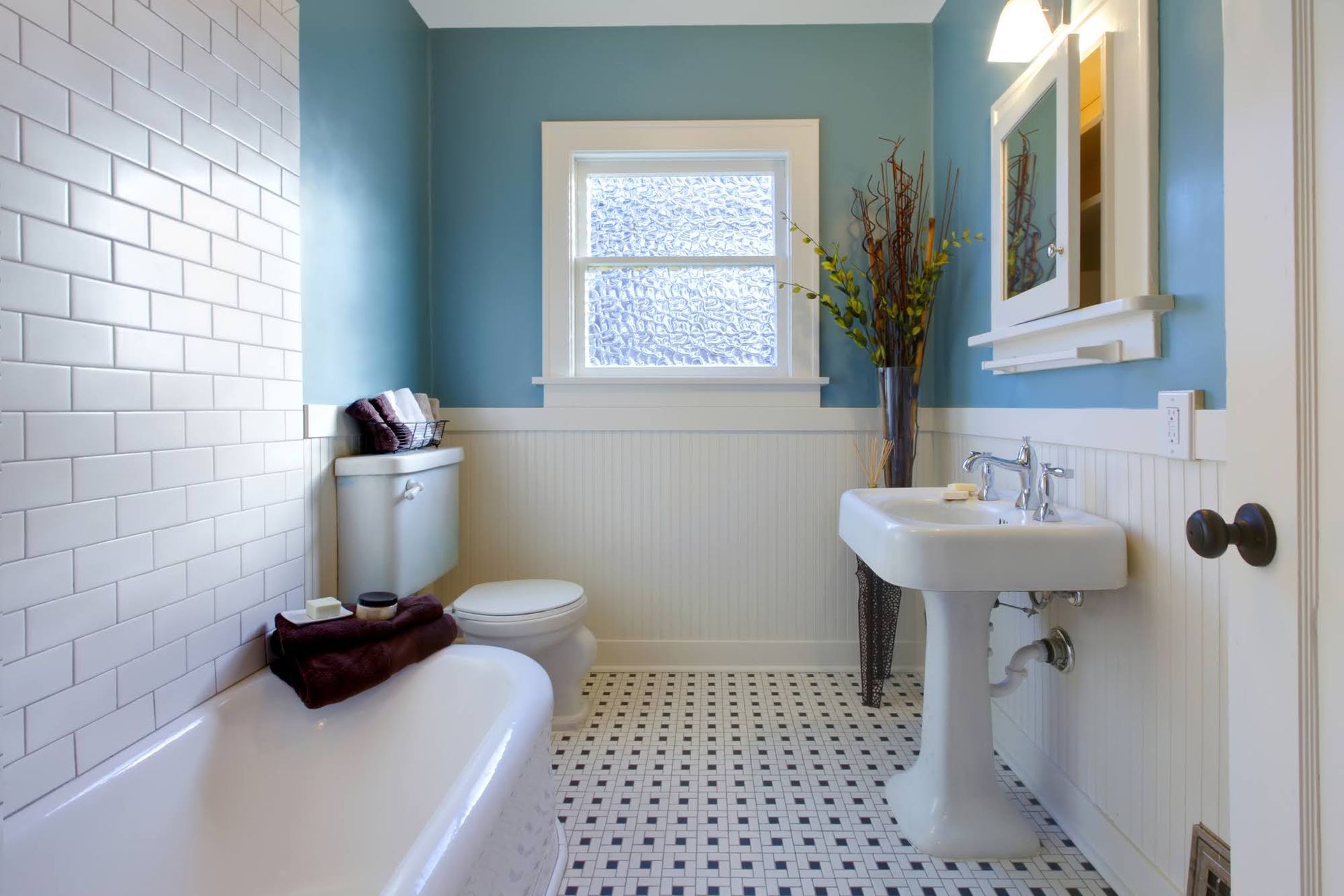
Light colors reflect light and make spaces feel larger, but that doesn't mean you're limited to stark white bathrooms. Soft neutrals, pale blues, or warm grays can create a serene atmosphere while maintaining airiness. Use the same tile on floors and walls to create continuity and reduce visual breaks. Large-format tiles mean fewer grout lines, which creates a cleaner, more expansive appearance. Glossy finishes reflect more light than matte surfaces, though they do show water spots more readily.
Integrating Kitchen and Bathroom Renovation Strategies
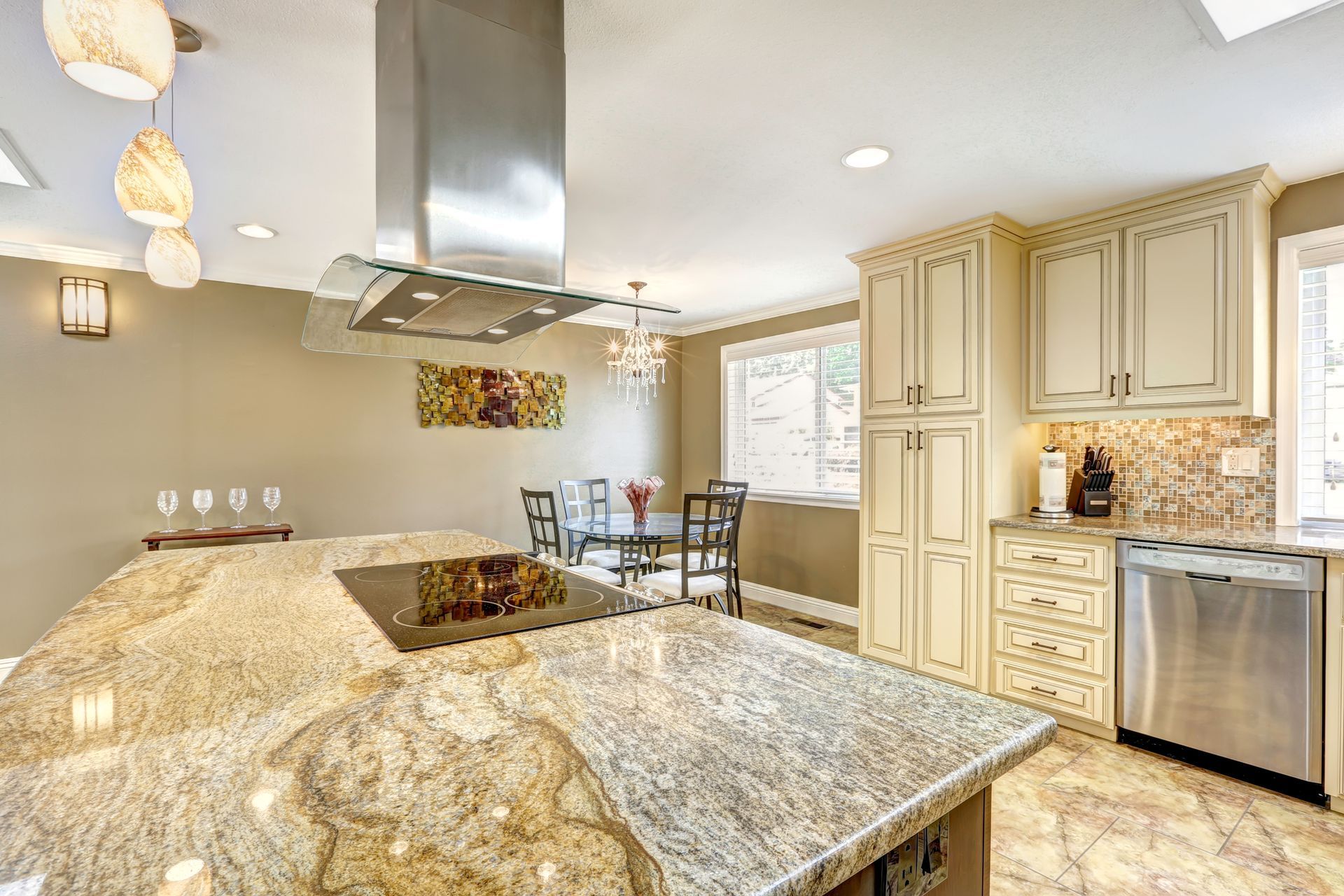
When planning your bathroom remodel, consider lessons learned from kitchen and bathroom renovation projects. Both spaces benefit from the same efficient design principles: the work triangle concept from kitchens translates to bathroom fixture placement, ensuring you can move comfortably between the sink, toilet, and shower. Like kitchen renovations that prioritize both beauty and function, successful bathroom remodels balance aesthetic appeal with practical daily use.
The materials and finishes popular in modern kitchen renovations—such as quartz countertops, soft-close drawers, and pull-out storage systems—work equally well in bathrooms. If you're tackling kitchen and bathroom renovation simultaneously, you can often negotiate better pricing on materials bought in larger quantities and coordinate fixtures and finishes for a cohesive look throughout your home.
Small Details That Make Big Differences
Hardware and Fixture Finishes
Coordinated finishes on faucets, drawer pulls, towel bars, and light fixtures create a polished, intentional look. Sleek, minimal hardware takes up less visual space than ornate options. Consider finishes like brushed nickel, matte black, or polished chrome that complement your overall design while being easy to maintain.
Door and Window Treatments
A traditional swinging door requires clearance space that could be better used. Pocket doors slide into the wall cavity, freeing up valuable floor space. Barn-style sliding doors add character while serving the same space-saving function. For windows, choose treatments that provide privacy without blocking light—frosted glass, top-down bottom-up shades, or shutters with adjustable louvers all work beautifully.
Heated Floors and Towel Warmers
Luxury features don't have to take up space. Radiant floor heating eliminates the need for bulky radiators or wall-mounted heaters while providing consistent warmth underfoot. Wall-mounted heated towel racks serve double duty, warming towels while drying them and taking up minimal wall space.
Ready to Transform Your Bathroom?
While these ideas provide a solid foundation for your bathroom remodel, bringing them to life requires expertise, precision, and experience. That's where we come in. Our team specializes in creating beautiful, functional bathrooms that make the most of every available inch. We understand the unique challenges of small-space design and have helped countless homeowners transform cramped, outdated bathrooms into stunning retreats.
From the initial consultation and design phase through the final installation, we'll guide you through every step of the remodeling process. We'll help you select materials that fit your budget and style, navigate permitting requirements, and ensure every detail is executed flawlessly. Our craftsmen take pride in delivering quality workmanship that stands the test of time.
Don't let another day go by in a bathroom that doesn't meet your needs. Contact us today for a free consultation and estimate. Let's discuss your vision and show you how we can maximize your space, enhance your home's value, and create the bathroom you've always wanted. Call us or visit our website to schedule your appointment—your dream bathroom is closer than you think.
Frequently Asked Questions
How much does a small bathroom remodel typically cost?
Bathroom remodels vary widely in cost depending on the scope of work and materials chosen. A basic refresh with new paint, fixtures, and flooring might run between $3,000 and $7,000, while a mid-range remodel with new tile, vanity, and upgraded fixtures typically costs $10,000 to $25,000. High-end remodels with custom features and luxury materials can exceed $30,000 even in small spaces.
What's the best flooring for small bathrooms?
Large-format tiles (12x24 inches or larger) create fewer grout lines and make small bathrooms feel more spacious. Luxury vinyl plank offers a budget-friendly alternative that's water-resistant and comes in attractive wood-look designs. Whatever material you choose, extending the same flooring from the bathroom into adjacent spaces creates visual continuity that makes both areas feel larger.
Can I remodel my bathroom myself, or should I hire professionals?
This depends on your skill level and the project scope. Cosmetic updates like painting, replacing fixtures, or installing new hardware are manageable DIY projects. However, plumbing relocation, electrical work, and structural changes typically require licensed professionals. Most homeowners find that a hybrid approach works best—handling simple tasks themselves while hiring experts for specialized work.
How can I make my bathroom feel like a spa?
Focus on creating a serene atmosphere through thoughtful details: install a rainfall showerhead, add dimmable lighting, incorporate natural materials like wood and stone, use a cohesive neutral color palette, include plants that thrive in humid environments, and invest in plush towels and a comfortable bath mat. Even small touches like coordinated storage containers and quality hand soap can elevate the everyday experience.
What's the most important element to upgrade in a bathroom remodel?
While every bathroom is different, upgrading the vanity typically provides the most noticeable impact. A new vanity improves both function and aesthetics, offering better storage, a fresh countertop, an updated sink, and often improved lighting. It's the focal point of most bathrooms and sets the tone for the entire space.
You might also like