5 Countertop Materials That Elevate Your Kitchen Remodel
A countertop does more than just provide a place to prepare meals; it can shape the feel and function of the entire kitchen. The right material can add character while also standing up to daily cooking and entertaining.
When planning a kitchen remodeling project, homeowners have many countertop options to consider. Each material has its own strengths, maintenance needs, appearance, and price range. Understanding these differences can make it easier to choose a surface that fits both your lifestyle and your design goals.
Quartz for a Clean and Versatile Finish
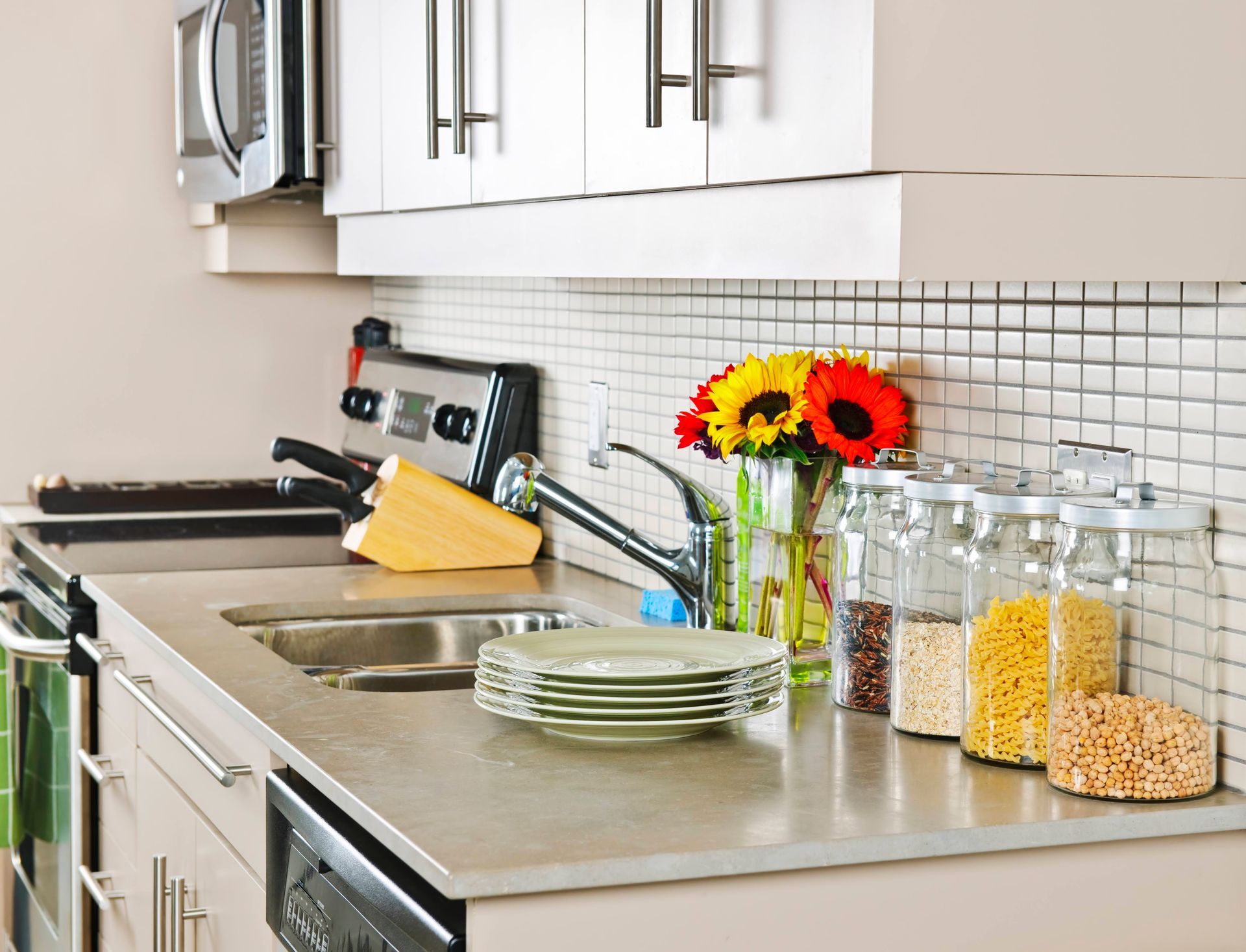
Quartz is a popular choice for modern kitchens because it combines a polished appearance with practical performance. It's an engineered material made with natural quartz particles and resins. Many quartz countertops are designed to resemble natural stone, with options featuring subtle veining or simple solid colors. This makes quartz easy to pair with many cabinet styles and backsplashes.
Quartz is also relatively easy to maintain. Its nonporous surface does not readily absorb spills and stains. Routine cleaning with a mild soap and water is usually enough to keep it looking fresh. It does not require regular sealing like some natural stones.
While quartz is durable, it is not completely resistant to damage. Excessive heat can affect the resins used in the material, so hot cookware should not be placed directly on the surface.
Granite for Natural Character and Durability
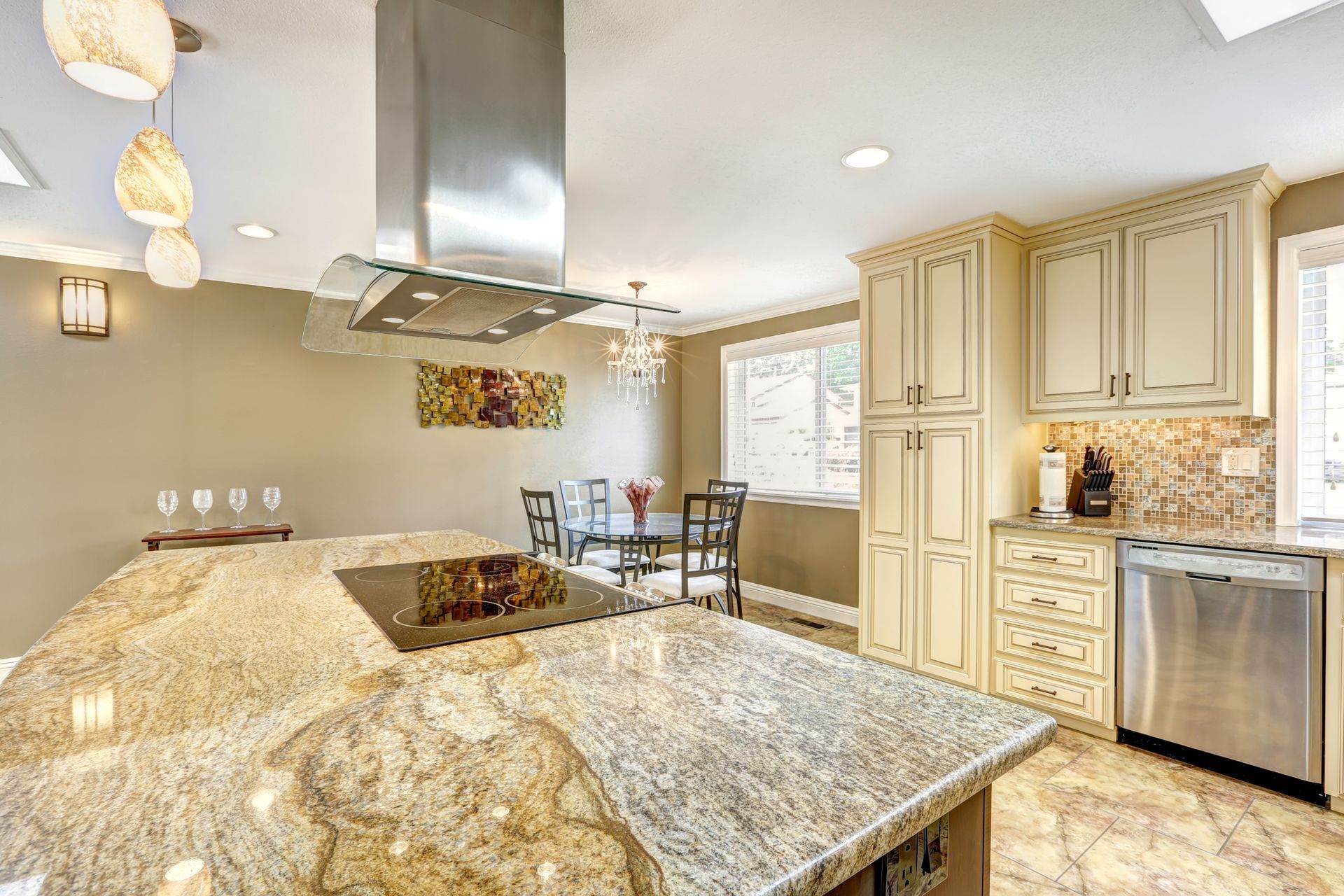
Granite brings the distinctive character of natural stone into the kitchen. Because every slab forms naturally, no two pieces have the same colors or mineral variations. This gives granite countertops a unique appearance that can become a major design feature. Granite is also known for its strength. It can handle the demands of an active kitchen and provides a durable work surface for food preparation. Its resistance to heat makes it particularly useful around cooking areas, although using trivets is still a smart way to protect the finish.
One important consideration is maintenance. Granite is porous to varying degrees, so some countertops need periodic sealing to help resist moisture and staining. Spills should also be cleaned rather than left sitting on the surface for long periods.
Marble for Timeless Elegance
Marble has long been associated with refined kitchen design. Its distinctive veining and natural variations can give a kitchen a sophisticated appearance. White marble is especially popular, but it is available in a range of colors and patterns.
For homeowners who want a countertop that becomes part of the room's visual identity, marble offers a strong design statement. The natural veining can create subtle movement across an otherwise simple kitchen. Marble also does require more care than some engineered countertop materials. It is softer and more prone to scratching, and acidic substances can etch its surface. That does not make marble a poor choice. Instead, it means the material is best suited to homeowners who appreciate its natural character and are comfortable with some maintenance.
Butcher Block for Warmth and Texture
Butcher block offers something that stone countertops cannot: natural warmth and texture. Wood can soften a kitchen filled with hard surfaces and create a more inviting atmosphere. It works well with painted cabinets and natural wood cabinetry. Lighter woods can make a kitchen feel bright and casual, while deeper tones can create a richer and more traditional appearance. The grain also adds subtle texture without overwhelming the rest of the room.
Wood countertops require more attention than many stone surfaces. They need proper cleaning and periodic maintenance to help protect them from moisture and wear, and water around sinks should not be allowed to sit for extended periods.
A benefit is that butcher block can be refinished in many situations. Minor scratches and signs of use may be sanded and treated rather than requiring complete replacement. For homeowners who like materials that develop character over time, this can be a major advantage.
Solid Surface for Flexible Kitchen Design
Solid surface countertops offer a practical option for homeowners who want a smooth, consistent appearance. They are made from a blend of resins and minerals and can be produced in many colors and patterns, making them suitable for a wide range of kitchen styles. One of their biggest advantages is design flexibility. Solid surface materials can often be fabricated with integrated sinks and seamless-looking transitions.
The nonporous surface is also easy to clean. Everyday spills can generally be wiped away without the same concerns associated with more porous materials. Solid surface countertops can scratch more easily than some stone options, but many minor scratches can be repaired or buffed out.
Choosing the Right Countertop for Your Kitchen
The best countertop is not necessarily the most expensive or the most popular option. It should fit the way you use your kitchen. Think about how often you cook, how much maintenance you are willing to handle, and how much wear the surface will receive. Your design goals matter, too. A dramatic marble slab can become the centerpiece of a sophisticated kitchen.
Quartz can provide a clean and consistent finish. Granite can introduce natural variation, while butcher block can add warmth. Solid surface materials can offer a streamlined appearance with flexible design options.
It is also important to consider the rest of the room before selecting a countertop. Cabinet color, backsplash materials, flooring, hardware, and lighting all affect how the surface will look. A sample that looks appealing on its own may appear very different beside your existing finishes. So, take the time to compare materials for a countertop that continues to work well as your kitchen ages. A countertop should support the overall design rather than compete with it.
Final Thoughts
A well-chosen countertop can bring together the practical and visual sides of your kitchen. Consider your daily habits, maintenance preferences, design, and layout before making your selection.
if you're ready to create a kitchen that fits your home and lifestyle, contact us to discuss your project and countertop options.
Frequently Asked Questions
Which countertop material is easiest to maintain?
Quartz and solid surface countertops are generally among the easier options to maintain. Their nonporous surfaces make routine cleaning straightforward. However, every material still benefits from proper care and protection.
Is granite or quartz better for a busy kitchen?
Both can work well in busy kitchens, but they have different characteristics. Quartz offers a consistent appearance and does not typically require sealing, while granite provides natural variation and strong heat resistance.
Does marble scratch easily?
Marble is softer than many other countertop materials, so it can scratch and etch more readily.
Are butcher block countertops hard to maintain?
Butcher block requires more maintenance than many stone and engineered surfaces. Regular cleaning and appropriate conditioning can help protect the wood and preserve its appearance.
Should the countertop or cabinets be chosen first?
There is no single rule to keep in mind, but if you already have a countertop material or cabinet style in mind, use it to guide the colors and finishes of the other kitchen elements.
You might also like